Featured
How Bankruptcy Counseling Preserves Your Assets Can Be Fu...
Short-Term Impact on Job Loss and Debt: Building a 90-Day...
Getting The Actual Experiences from People Who Found Free...
Browsing Financial Obligation Mercy in 2026: Searching For Legitimate Relief in a Crowded Market
Table of Contents
When bank card balances spiral past control and regular monthly minimal payments barely damage the surface of what you owe, the weight of monetary anxiety can feel excruciating. With American consumers currently holding over $1.21 trillion in bank card financial debt collectively, discovering legit debt alleviation has actually never ever been extra vital. Nearly fifty percent of cardholders bring an equilibrium from month to month, and the portion dropping behind on minimal payments has actually climbed to 12.3% in current information.
For those seeking a path out of frustrating debt, recognizing the difference in between debt forgiveness, personal bankruptcy counseling, and debt administration can indicate the difference in between monetary recuperation and much deeper trouble.
What Debt Mercy Actually Means
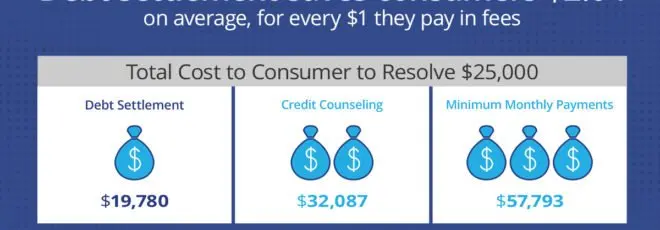
Debt forgiveness describes the procedure of bargaining with financial institutions to lower the overall amount owed, allowing consumers to resolve their debts for much less than the initial balance. Unlike debt loan consolidation, which combines several financial obligations into a single repayment, or financial obligation monitoring intends that restructure settlement routines, financial debt forgiveness programs proactively function to get rid of sections of your superior equilibriums.
When a credit card account goes unsettled for 120 days or even more, creditors frequently bill off the financial obligation and might approve lowered negotiations to recoup a minimum of a portion of what they're owed. Settlements generally range from 30% to 50% of the original balance, though outcomes vary based on the creditor, account age, and private situations. A lot of debt mercy programs extend 2 to four years, needing clients to build funds in committed accounts while negotiators collaborate with lenders.
It deserves noting that forgiven financial debt over $600 is typically thought about taxable revenue by the internal revenue service. Any person considering financial debt settlement should seek advice from a tax professional to comprehend the implications prior to continuing.
The Crucial Difference Between Nonprofit and For-Profit Solutions
The Customer Financial Defense Bureau alerts that taking care of for-profit debt negotiation companies can be dangerous. These companies generally bill fees varying from 15% to 25% of signed up financial obligation and typically motivate clients to stop paying completely while settlements proceed. This approach can result in installing late fees, penalty interest fees, harmed credit rating, and even legal actions from creditors.
Not-for-profit credit report counseling agencies operate under various requirements. Organizations approved by the united state Department of Justice as 501(c)(3) nonprofits concentrate on customer welfare instead than earnings margins. Their credit score counseling sessions are normally offered absolutely free, and debt administration program charges are covered at $79 monthly across the country under government laws.
The National Structure for Credit Scores Counseling (NFCC), founded in 1951, stands for the gold criterion for not-for-profit monetary therapy. NFCC participant agencies must meet rigorous moral criteria, with therapists required to recertify every two years. Study carried out by Ohio State College discovered that NFCC credit scores counseling clients reduced their revolving financial debt by $3,600 greater than contrast teams over 18 months complying with therapy, with 70% reporting boosted monetary confidence.
Bankruptcy Counseling: Understanding Your Lawful Needs
For individuals whose economic scenarios have actually weakened past what debt mercy or administration programs can attend to, personal bankruptcy may end up being necessary. Federal legislation requires any person declare Phase 7 or Phase 13 bankruptcy to finish both pre-filing credit history counseling and post-filing debtor education and learning training courses through an accepted firm.
Pre-bankruptcy therapy involves a comprehensive review of income, financial obligations, and expenditures, along with exploration of alternatives to insolvency. The session assists filers recognize whether insolvency absolutely represents their finest option or whether other financial obligation alleviation techniques could work. Post-filing debtor education and learning focuses on budgeting, conserving, and restoring credit history after bankruptcy discharge.
Both sessions typically take 60 to 90 mins. Fees differ by provider but usually range from $20 to $50 per training course, with fee waivers available for those that qualify based on earnings. Upon completion, filers receive certificates needed for their insolvency petitions.
Not-for-profit firms like APFSC deal these called for insolvency counseling training courses together with their various other financial obligation alleviation solutions, supplying a structured experience for those navigating the bankruptcy procedure.
Comparing Your Financial Obligation Relief Options
Comprehending which come close to fits your scenario requires sincere evaluation of your financial scenarios.
Debt monitoring prepares job best for those that can still make constant settlements yet need helping in reducing rate of interest and arranging numerous financial debts into solitary regular monthly settlements. These programs usually extend three to 5 years and pay financial debts in complete, just with far better terms. Credit history frequently enhance gradually as equilibriums lower.
Debt settlement or mercy programs suit those with bigger financial obligation tons, generally $7,500 or more, who have already fallen behind on payments and can not reasonably pay balances in complete. These programs discuss minimized paybacks however lug credit rating consequences and tax obligation effects.
Personal bankruptcy gives the most dramatic alleviation however additionally one of the most substantial long-term credit history impact. Chapter 7 liquidates properties to discharge financial debts, while Phase 13 develops structured repayment strategies over 3 to 5 years. Insolvency continues to be on credit report records for 7 to ten years.
Credit score counseling alone, without enrollment in a specific program, assists those that need budgeting guidance and economic education and learning to stop future debt issues. These sessions are commonly complimentary via nonprofit firms.
Warning Indicators of Financial Obligation Relief Scams
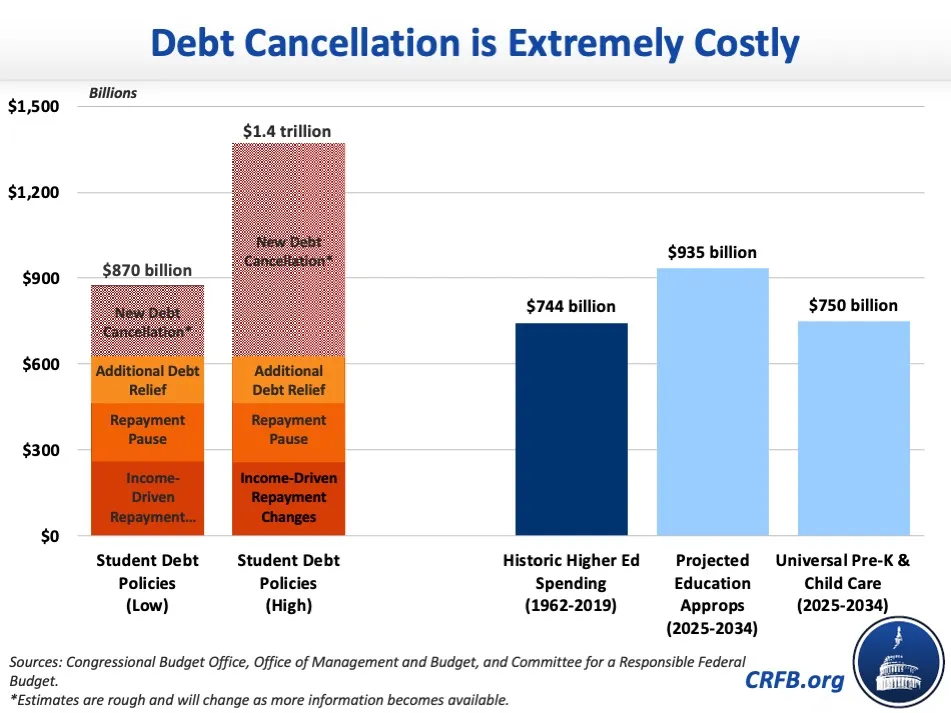
Customers must be especially wary of business claiming to use government-sponsored bank card debt mercy programs. No such federal programs exist for bank card financial debt, unlike the forgiveness options readily available for government trainee financings. Any promotions recommending or else are most likely rip-offs.
Other warnings include companies that require large ahead of time costs before providing services, warranty specific settlement percentages, tell you to quit communicating with financial institutions entirely, or refuse to clarify their cost framework plainly. Genuine nonprofit companies offer transparent details about expenses, timelines, and practical end results.
The CFPB recommends taking into consideration all choices prior to involving any type of financial obligation alleviation service, including negotiating straight with lenders yourself and consulting with nonprofit credit rating counselors that can offer unbiased evaluations of your situation.
Making an Informed Decision
Selecting the best financial obligation alleviation course depends on specific conditions, complete financial obligation quantity, income stability, and ability to make consistent repayments. Free first assessments from nonprofit credit scores counseling companies aid prospective customers understand their choices without high-pressure sales techniques.
During these sessions, licensed counselors assess economic situations, discuss offered programs, and establish personalized referrals. Whether a person eventually chooses financial debt forgiveness, debt monitoring, personal bankruptcy, or self-directed settlement, beginning with not-for-profit assistance ensures they receive guidance concentrated on their financial wellbeing.
Industry leaders like Finance International, GreenPath Financial Wellness, InCharge Financial Debt Solutions, and APFSC all supply thorough services covering credit score therapy, financial debt administration, and bankruptcy education. A lot of offer several call methods including phone, on the internet chat, and email, making it simple to start the discussion.
Taking the First Step
Financial recovery seldom happens over night. Financial obligation administration plans commonly span three to five years, and debt negotiation programs usually need 24 to 48 months of structured savings and negotiations. Nonetheless, the alternative of proceeding to battle with uncontrollable financial debt while rate of interest substances uses no course ahead.
For any individual drowning in credit history card debt, medical costs, or individual lendings, reaching out to a nonprofit credit history counseling company represents an important initial step. The consultation costs absolutely nothing, lugs no responsibility, and gives clarity about realistic options. From there, educated choices come to be possible.
When is the Right Time to Consolidate Debt for Relief? : APFSCThe journey from frustrating debt to monetary stability calls for commitment, persistence, and professional advice. With assistance from trusted nonprofit companies and a clear understanding of available programs, that journey becomes achievable.

Table of Contents
Latest Posts

Top Guidelines Of Being Cautious from Unethical Operators
How Bankruptcy Counseling Preserves Your Assets Can Be Fun For Anyone

Short-Term Impact on Job Loss and Debt: Building a 90-Day Survival Plan with a Counselor Choices for Dummies
More
Latest Posts
Top Guidelines Of Being Cautious from Unethical Operators
How Bankruptcy Counseling Preserves Your Assets Can Be Fun For Anyone
Short-Term Impact on Job Loss and Debt: Building a 90-Day Survival Plan with a Counselor Choices for Dummies